Call Us

07368452590

Email Us

Venablesvikki@gmail.com

SEND Family Guidance

Nationwide

Why Early Intervention Matters for Children with SEND

Making a Difference

Every child develops at their own pace, but for children with special educational needs and disabilities (SEND), recognising difficulties early can make a life-changing difference. Early intervention gives children the best possible start, providing the right help at the right time to support learning, communication, and emotional wellbeing.

When parents and carers, schools, and local authorities act together, it creates a strong foundation for progress. At SEND Family Guidance, we believe that understanding why early intervention matters is key to helping children reach their full potential.

What Is Early Intervention?

Early intervention means identifying and addressing developmental or learning difficulties as soon as they appear, rather than waiting for problems to grow. It focuses on giving targeted support to children and families during the early years, when the brain is developing rapidly and the capacity to learn new skills is greatest.

This support might include speech and language therapy, help with motor skills, social interaction activities, or emotional development programmes. For a child with SEND, early help can significantly improve long-term outcomes in education, communication, and confidence.

Early intervention also ensures that parents and carers feel supported. It helps families understand what their child needs and how to work closely with professionals to build a tailored support plan.

Recognising the Signs Early

Early intervention starts with awareness. Health visitors, nursery staff, and parents play a vital role in noticing early signs that a child may need additional support. These could include:

• Delayed speech or communication difficulties.

• Challenges with social interaction or attention.

• Trouble with coordination or motor skills.

• Emotional or behavioural differences compared with peers.

If you’re concerned about your child’s development, it’s important to raise these concerns with your health visitor, GP, or nursery SENCO. They can refer you for assessments or put early help in place before your child starts school.

In many cases, this early support can prevent the need for more intensive interventions later on and can make it easier for your child to settle into education.

The Role of Early Years Settings

Nurseries, preschools, and childminders play a crucial part in early identification. The Early Years Foundation Stage (EYFS) framework requires practitioners to monitor each child’s development and identify any areas where extra help might be needed.

When a child is identified as needing additional support, the Special Educational Needs Coordinator (SENCO) in the setting will work with the family to create an individual plan. This might involve extra time with a key worker, speech and language exercises, or small-group learning.

Working closely with parents and carers ensures that strategies used at nursery are also continued at home, giving the child consistent support.

For more complex needs, early years settings can work with local Education, Health and Care (EHC) services to ensure that specialist help is arranged. This may later lead to a full Education, Health and Care Plan (EHCP) if long-term support is needed.

Why Early Intervention Matters

Research consistently shows that early intervention matters because it reduces barriers to learning, promotes independence, and improves wellbeing. The earlier support begins, the more effective it is in addressing developmental challenges and preventing secondary issues such as mental health problems or social isolation.

For example:

• A child who receives early speech and language therapy may learn to communicate confidently before starting school.

• Early targeted support for motor or sensory difficulties can help a child participate fully in physical activities.

• Emotional regulation strategies introduced early can prevent behavioural challenges later in education.

Early help also benefits the family as a whole. When parents are supported and informed, they feel more confident managing their child’s needs and advocating for their rights within the education system.

The Role of Local Authorities and Multi-Agency Support

In the UK, local authorities have a legal duty under the SEND Code of Practice to provide coordinated support to children with SEND. This means that education, health, and social care teams must work together to ensure families receive joined-up help.

For early intervention, local authorities often provide access to:

• Early years SEND inclusion teams.

• Specialist teaching services.

• Speech and language therapy programmes.

• Occupational therapy or physiotherapy support.

¶• Family support workers and parent workshops.

This multi-agency approach ensures that a child’s educational, emotional, and physical needs are all considered. It also allows professionals to share knowledge, ensuring support is consistent across settings.

If you’re unsure what’s available locally, check your council’s Local Offer, which lists all early support options and contact details for SEND services in your area.

Supporting Children and Families at Home

Early intervention is not only about professionals, parents and carers play an equally vital role. You can support your child’s development at home by:

• Encouraging play that promotes communication and problem-solving.

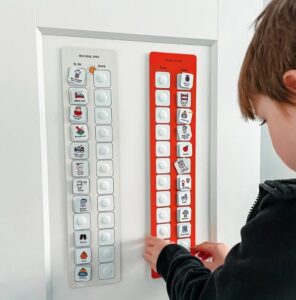
• Using simple language and visual cues to aid understanding.

• Creating daily routines to support consistency and security.

• Working on fine and gross motor skills through hands-on activities.

• Building social confidence through interaction with other children.

SEND professionals can guide you on practical activities suited to your child’s stage of development. By working closely with your child’s SENCO or therapist, you can align home routines with school or nursery strategies to reinforce progress.

Long-Term Benefits of Early Support

The benefits of early intervention extend well beyond childhood. Children who receive help early are more likely to develop independence, succeed academically, and experience positive relationships.

For many, early support also reduces the risk of long-term mental health problems by improving emotional resilience and self-esteem. It lays the groundwork for better outcomes in later education and employment.

By investing time in early identification and consistent help, families and professionals can prevent difficulties from becoming barriers. Early action empowers children to achieve their potential and builds stronger relationships between families, schools, and services.

Empowering Parents and Carers

Understanding the value of early support helps parents and carers take an active role in their child’s journey. Whether you are speaking to a health visitor about concerns or attending a planning meeting with your local SEND team, your insight is crucial in shaping the right support for your child.

At SEND Family Guidance, we’re here to help you navigate early intervention pathways, understand your options, and work closely with professionals to create a personalised support plan. Together, we can ensure every child has access to the education, health, and social care they need to thrive.


Why Northants SEND Family Guidance?

been through the EHCP process and I have battled the system.

let me help, support, listen and offer guidance in anyway I can.

over 20 years of experience and a special interest in neurodivergence.

A highly rated and qualified Children's Nurse

Seeking assistance in navigating the EHCP process? Share your details, and we'll reach out promptly. Your tailored guidance awaits - we are here to support you!

Upload professional reports. eg One Page Profile, Educational Psychologist, Occcupational Therapy

services offered

EHCP Support

Support with all stages of the EHCP process including:

This service helps ensure your child’s EHCP accurately reflects their needs and protects their support long-term.

Critical Review of Draft EHCP

A detailed professional review of your child’s Draft EHCP. This is usually time critical as you only have 15 days to submit your request for amendments.
You will receive a document outlining recommended amendments to ensure:

This can make a significant difference to whether provision is properly delivered.

School Meeting Support

School meetings can sometimes feel intimidating, particularly when important decisions are being made about your child’s education and support. I offer support to parents by helping you prepare for meetings, understand your child’s rights and ensure that the provision outlined in their EHCP is being properly discussed and implemented.

I can also attend meetings alongside you where appropriate, helping to ask the right questions, challenge unclear information and ensure that conversations remain focused on your child’s needs. My role is to help parents feel confident, informed and heard, so that decisions are made in the best interests of the child.

DLA and PIP Application Support

Completing forms for Disability Living Allowance (DLA) or Personal Independence Payment (PIP) can feel overwhelming, especially when you are already managing the day-to-day needs of your child or family member.
These forms require detailed information about how a condition impacts everyday life, and many families struggle to know how to present this clearly.

I offer support with completing these applications, helping you explain your child’s needs in a way that accurately reflects the level of support required. This can include working through the form with you, helping to word responses appropriately, and ensuring the full impact of your child’s needs is recognised.

My aim is to make the process less stressful while giving your application the best possible chance of success.

Child Needs Assessment

I offer a comprehensive assessment of your child’s needs, designed to build a clear picture of their strengths, challenges and the support they require to thrive both at home and in education. This assessment considers areas such as emotional regulation, sensory needs, learning profile, behaviour, communication, and how demands in everyday environments may be impacting your child.

The process includes gathering information from parents, discussing your child’s experiences at home and school, and observing patterns in behaviour, regulation and engagement. Following the assessment, you will receive a written report outlining key areas of need alongside practical recommendations and supportive strategies that can be implemented at home or within school.

This assessment can also help parents better understand their child’s profile, support conversations with schools, and provide useful information when considering additional support or future EHCP applications.

More from Northamptonshire Send Family Guidance & Advocacy Service

What does everyone Say?

Vikki put together a comprehensive report which will be incredibly useful going forwards including links to evidence and helpful suggestions for strategies to help both at home and at school. We will definitely be calling on her again for future support. Most importantly she put my son at ease straight away and also made sure to include his positive attributes and strengths in the report - something which is so often left out of the endless forms that can feel so negative.
Heather Smith
Rated 5 out of 5
At first I was very nervous about using this service but I’m very glad I did. My son was on DLA and I needed to apply for PIP, I find the process can be very difficult so really needed help filling in the form and sending the right evidence for his claim. Vikki was amazing, understood my child’s needs and really listened to everything, I feel so much more at ease now it is all complete and would most certainly use her again if needed. Thank You Vikki.
Sarah Aughey
Rated 5 out of 5
Vikki’s knowledge and calm support has been invaluable in both the EHCP process and in face to face meetings with the school. Her background professionally and personally means she has a depth of understanding in both the practical and emotional side of this whole process. If you are unsure if you require Vikki’s services then just drop her a message to enquire, it took a lot of the stress and paperwork time out of the EHCP process for me and I would fully recommend her.
Zoe Ruth
Rated 5 out of 5
I'm so grateful. Vikki is helping me through the process, had meetings with me with staff and SENCO's. She has formulated emails for me, completed so much paperwork and trawled through so much evidence to support the requests for support and ultimately a special school setting. She is so calm and has helped me feel more confident about navigating this process which I feel is a minefield. She is highly professional - I couldn't have got as far as we have without her support. Thank you Vikki.
Victoria B
Rated 5 out of 5
Such an amazing service to find, when running on empty and not knowing what to do for your send child you need all the help and support you can get and that's exactly what Vikki gave me, helped me understand my daughters ehcp, helped me with secondary schools, , helped me get a response for my case worker. Very responsive and professional. Will definitely recommend to other parents.
Cara Tate
Rated 5 out of 5
Having struggled to get any communication or assistance from West Northants Council or the Local Authority for my Autistic Son, I called this service today and was met with the most understanding information and assistance I have received in a LONG time. Huge thanks to Vikki who was incredibly helpful and gave me contact information for departments and places I had no idea even existed, despite having had to fight for the rights and needs of my Autistic Son for years now. This is an excellent service and I highly recommend it to anyone who is struggling to get what their SEND child or family member needs.
Viktoria Brice
Rated 5 out of 5
I'd highly recommend Vikki. She recently did a consultation with our child to help us better understand how we can support them. Vikki quickly built a connection with our child that helped them to relax and she let the meeting run as long as was needed so we didn't feel rushed.
Natalie Breslin
Rated 5 out of 5
Vikki is an absolute gem. I'm so glad I came across her. I was feeling completely overwhelmed and stressed about my child's EHCP amendment, off site schooling situation, and to secure a specialist provision for my Autistic child with a complex needs. I was struggling to get my voice heard by the school and local authority.
Mercy Ozim
Rated 5 out of 5