Supporting children and young people with Social, Emotional, and Mental Health (SEMH) needs is about more than just managing behaviour. It is about understanding the underlying emotional distress that a child or young person might be experiencing. In an educational setting, SEMH needs can manifest as being withdrawn and anxious or, conversely, through challenging and disruptive actions.
At Northants SEND Family Guidance, we help schools and families look beyond the surface to provide the right support for young people with semh.
Understanding SEMH in the Classroom
SEMH is a broad term that covers a wide range of difficulties. A child might have a diagnosed mental health condition, or they may be reacting to a specific life event, such as trauma, loss, or significant change. Because social emotional well-being is the foundation of learning, a student who does not feel emotionally safe will struggle to engage with the curriculum.
Common signs that a child or young person has SEMH needs include:
- Sudden changes in mood or energy levels.
- Difficulty forming or maintaining friendships with peers.
- School avoidance or high levels of anxiety regarding the school environment.
- Physical symptoms of distress, such as headaches or stomach aches, without a medical cause.
Strategies for Schools and Teachers
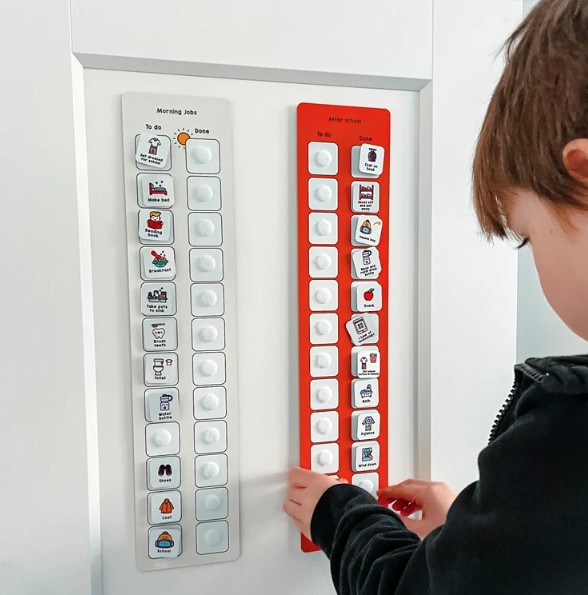
For children and young people to thrive, the educational environment must be predictable and supportive. Schools in Northamptonshire often use a “graduated response” to meet mental health semh needs, starting with universal support and moving toward more specialist interventions.
1. Creating a Safe Space
A young person with SEMH needs often has a heightened “threat response.” Schools can help by providing a designated “calm zone” where a student can go when they feel overwhelmed. Having a “trusted adult” who is available for check-ins can also provide the emotional anchor a student needs to stay in school.
2. Using Trauma-Informed Approaches
Many young people with semh have experienced “Adverse Childhood Experiences” (ACEs). A trauma-informed approach moves the question from “What is wrong with you?” to “What happened to you?” This shift in perspective helps staff respond with empathy rather than punishment.
3. Targeted Interventions
Beyond general classroom adjustments, some children and young people require specific programmes. This might include:
- ELSA Support: Emotional Literacy Support Assistants work 1:1 with students on recognising and managing their feelings.
- Social Skills Groups: Small, guided groups that help students practice turn-taking and conflict resolution.
- Nurture Groups: Smaller classroom settings that focus heavily on social emotional development alongside academic work.

Working with the Local Authority
If a child or young person has SEMH needs that are significantly impacting their ability to learn, the school or parent may request an Education, Health and Care (EHC) needs assessment. This ensures that the local authority provides the necessary funding and resources for specialist mental health semh support, such as counselling or play therapy.
Collaboration is key. The school senco, parents, and external professionals (like educational psychologists) must work together to create a consistent plan. When a young person receives the same message of support at home and at school, their anxiety levels often begin to drop.
The Importance of Emotional Regulation
Teaching a child or young person how to regulate their emotions is a life skill that goes beyond the classroom. Strategies like “zones of regulation” help students identify when they are moving from a “green zone” (ready to learn) to a “red zone” (overwhelmed). By catching these feelings early, schools can prevent meltdowns and help the young person regain control.
Conclusion: A Path Forward
Every child or young person deserves to feel safe and valued in their place of education. By focusing on social emotional health, we can ensure that SEMH needs are not a barrier to a bright future. Whether through small classroom tweaks or a full EHCP, the right support can transform the educational experience for young people with semh.