Call Us

07368452590

Email Us

Venablesvikki@gmail.com

SEND Family Guidance

Nationwide

Signs of Dyslexia and Dyspraxia in Children

Identifying learning difficulties early can make a world of difference in a child’s educational journey. Dyslexia and dyspraxia are two of the most common neurodivergent profiles that affect how children and young people process information and navigate the physical world. While they are separate conditions, they often overlap, and understanding the specific signs for both young children and older children is the first step toward securing the right support.

At Northants SEND Family Guidance, we want to empower parents to recognise these signs so they can work effectively with their school senco and the local authority to ensure no child is left behind.

Understanding Dyslexia

Dyslexia is a specific learning difficulty that primarily affects the skills involved in accurate and fluent word reading and spelling. It is important to remember that people with dyslexia are often extremely creative and high achievers; their brains simply process language differently.

Signs in Young Children (Pre-school and Early Primary)

In young children, dyslexia may not immediately look like a reading problem. Instead, you might notice:

  • Speech Delays: Taking longer to start talking or persistently mispronouncing common words.
  • Rhyming Struggles: They may find it difficult to join in with nursery rhymes or identify words that sound the same.
  • Directional Confusion: Getting “left” and “right” mixed up or struggling with “up” and “down.”
  • Sequence Issues: Difficulty remembering the order of the days of the week or the alphabet.

Signs in Older Children (Key Stage 2 and Above)

As the academic pressure increases, older children with dyslexia may experience:

  • Slow Reading: They may read very slowly or lose their place on the page frequently.
  • Visual Stress: Reporting that the letters seem to “jump” or “blur” on the white paper.
  • Spelling Inconsistency: Spelling the same word three different ways in a single paragraph.
  • Avoidance: Developing a “class clown” persona or becoming very withdrawn to avoid reading aloud.

Understanding Dyspraxia (DCD)

Dyspraxia, also known as Developmental Coordination Disorder (DCD), affects physical coordination. It makes the brain take longer to process the “instructions” needed to move the body. This can impact everything from fine motor skills (writing) to gross motor skills (running).

Signs in Young Children

For young children, dyspraxia often manifests as what people traditionally call “clumsiness”:

  • Milestone Delays: Being late to crawl, walk, or feed themselves.
  • Fine Motor Struggles: Finding it difficult to use safety scissors, crayons, or build with small blocks.
  • Dressing Difficulties: Struggling with buttons, zips, or putting shoes on the correct feet.
  • Spatial Awareness: Frequently bumping into furniture or falling over “nothing.”

Signs in Older Children

In older children, the challenges move into the classroom and social settings:

  • Handwriting Issues: Writing may be very messy, or they may find the physical act of writing extremely tiring (known as dysgraphia).
  • PE Struggles: They may find it difficult to catch a ball, ride a bike, or keep up with team sports, which can impact their self-esteem.
  • Organisation: Struggling to keep their bag tidy, losing equipment, or forgetting their homework despite having done it.
  • Social Interaction: Sometimes children with dyspraxia struggle with the “timing” of conversations or games, which can lead to social isolation.

The Overlap: When a Child Has Both

It is very common for people with dyslexia to also show traits of dyspraxia. This is sometimes called “comorbidity.” When a child faces both learning difficulties, they might be highly intelligent but feel “locked” behind a wall of physical and literacy-based hurdles.

In these cases, the extra support provided at school needs to be holistic. It isn’t just about reading help; it’s about providing laptop access for writing, extra time for movement, and sensory breaks to prevent burnout.

How to Support Your Child at Home

If you suspect your child is showing signs of these learning difficulties, there are many “low-pressure” ways to help at home:

  1. Use Multi-Sensory Techniques: For dyslexia, try “writing” letters in sand or using magnetic letters on the fridge.
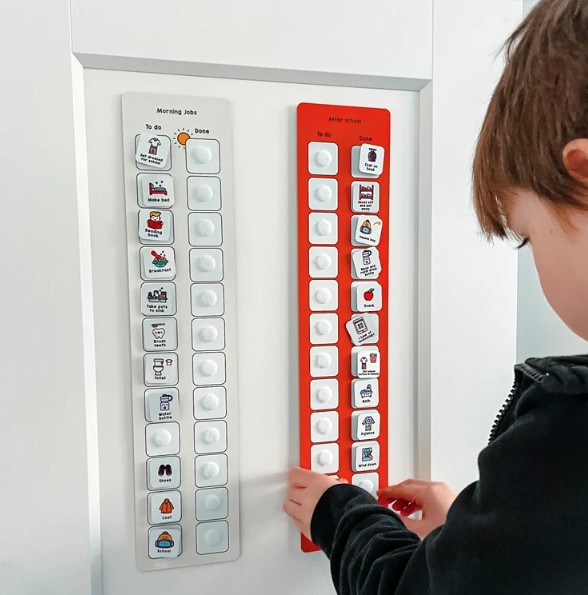
  2. Break Tasks Down: For dyspraxia, give one instruction at a time. Instead of “Get your bag, shoes, and coat,” start with “Please find your shoes.”
  3. Assistive Technology: Explore audiobooks or “speech-to-text” software. This allows children and young people to express their ideas without being held back by their spelling or handwriting.
  4. Celebrate Strengths: Focus on what they can do. Whether it is building complex LEGO sets, being great at art, or being a kind friend, building confidence is the best way to combat the frustration of SEN.

Taking the Next Steps in Northamptonshire

If you are worried about your child’s progress, your first port of call should always be the school senco. They can carry out initial screenings to see if your child’s needs fall under the special educational needs sen framework.

If the school’s additional support is not enough, you may need to look into a formal assessment through the local authority. This can lead to an education health and care plan (EHCP), which provides legal protection and funding for the specific help your child needs.

Conclusion: Empowerment Through Understanding

Dyslexia and dyspraxia are not barriers to a successful life; they are simply different ways of being. Many world-class architects, engineers, and authors are people with dyslexia or dyspraxia. By identifying these signs early in young children and providing consistent help through to their time as older children, we can ensure they reach their full potential.

At Northants SEND Family Guidance, we are here to help you navigate these terms and the systems that support them. You don’t have to figure it out alone.


Why Northants SEND Family Guidance?

been through the EHCP process and I have battled the system.

let me help, support, listen and offer guidance in anyway I can.

over 20 years of experience and a special interest in neurodivergence.

A highly rated and qualified Children's Nurse

Seeking assistance in navigating the EHCP process? Share your details, and we'll reach out promptly. Your tailored guidance awaits - we are here to support you!

Upload professional reports. eg One Page Profile, Educational Psychologist, Occcupational Therapy

How can I help?

Assessment of Needs

The assessment includes a one-hour, in-home visit where I will observe and discuss your situation with you. I’ll then provide a written report with strategies to address any needs or behaviours, and I’ll also point you toward relevant services that may be beneficial. Additionally, I can provide guidance on the process and evidence needed for future support.

Please note that my assessment is NOT DIAGNOSTIC, and therefore I cannot provide a diagnosis. My report focuses on presenting behaviours and how to best manage and support them.

EHCP Needs Assessment Request

An Education and Health Care Needs Assessment (EHCNA) is the first step in obtaining an Education and Health Care Plan (EHCP) for your child. We can help you draft a compelling and comprehensive request for you to send to your local authority that gives you the best chance of success. If the request is accepted, the Local Authority will begin the Needs Assessment process. If the request is refused, the contents of the request can be used to form the basis of a Refusal to Assess (RTA) Appeal.

EHCP Needs Assessment- Refusal to Assess - attendance at mediation

An EHCNA refusal isn’t the end of the process. We can prepare all necessary documents to submit the appeal, including (but not limited to) reviewing and advising with respect to law, evidence and tactics. We provide continued advice and support throughout the appeal process, including liaising and negotiating with the FTT SEND (“the SEND Tribunal”), school and local authority as appropriate. Attendance at formal mediation is available at additional cost.

Draft EHCP critical Review

I will provide a comprehensive report detailing recommended changes to your child’s EHCP, ready to be submitted to the local authority within your specified timeframe. To ensure your child’s needs are accurately reflected and met, I will carefully review the Educational Psychologist’s report and other relevant professional documentation, cross-referencing them against the EHCP.

Additionally, I will ensure the language used in the EHCP is clear, unambiguous, and that the provisions are specific, detailed, and ideally quantified. This will not only assist in monitoring and enforcing the plan’s compliance but is also supported by the SEND Code of Practice and case law.

Behaviour Support

Our very friendly and supportive behaviour specialist can offer you bespoke advice and support to help with any problem behaviours you are experiencing at home.

We can visit your home and lend a listening ear, offer strategies and techniques to help meet your child’s needs and make life a little bit easier for you.

We can cover topics such as Sleep difficulties, managing emotions, toileting problems and much more. 


Attendance at meetings via Teams or in person

Are your school not listening? Do they not believe the level of need your child is displaying? Are they not on board with applying for an EHCP?

I can come along to meetings with school to hold them to account and help you and them build relationships and have your child’s need met. 

I can also attend meetings with the Local Authority or other SEND relevant professionals via virtual attendance or in person.

DLA and PIP Application and Review Service

If you would like us to complete the application for you or to check you are receiving the correct rates then this service is for you. This will take the stress out of claiming completely.

#image_title

Training for Schools or early years settings

We offer a setting subscription service so that you have access to expert advice which can be personalised for individual children. 

What is included in the subscription?

  • Unlimited* Pre arranged teams meetings or phone calls with myself when you need advice or supervision. 
  • I can provide you with resources to help individual children.
  • I can attend meetings with parents via Teams, should you need extra support. *Meetings in person are chargeable at my hourly rate.

Cost £200 per term or £550 annually.

*Bespoke training tailored to your setting and staff can be arranged at an extra cost.

Appeals, Mediation and Tribunal Support

We can support you through the process of appeals and going to a tribunal. We will take the stress out of the situation and do the hard work for you.

We can cover-

  • EHCP Refusal to Assess Appeal
  • EHCP Refusal to Issue Appeal
  • EHCP Content Appeal


We will be able to signpost you to legal professionals to work with us to fight and win your case.

Please ask for more details, final price depends on time taken and complexity.

More from Northamptonshire Send Family Guidance & Advocacy Service

What does everyone Say?

Vikki's wealth of knowledge combined with her kindness made a very difficult and confusing situation so much easier to navigate. She went above and beyond to support us through mediation and always checked in personally to see how WE were. A fantastic service.
Hannah Hawkins
Rated 5 out of 5
Thank goodness for this service! It meant had the EHCP critically read so that it can be legally enforced, Vikki took care of it all so it was stress free, thank you so much
Lisa P
Rated 5 out of 5
I found Vikki through Facebook and am so glad I did. After our first consultation, I felt understood and supported. Vikki helped me raise concerns at a school meeting and used her expertise to put crucial support in place for my son that he wouldn’t have received otherwise. She’s a comforting, reassuring person, and I highly recommend her services.
Hayley Abraham
Rated 5 out of 5
I used Northants SEND Family Services for an EHCP application, and speaking to Vikki was a breath of fresh air. After feeling overlooked, Vikki explained each step with expert advice and genuine understanding. She supported us through the challenging process, and I couldn’t have done it without her. I’m so grateful for her help in achieving the EHCP.
Stacy Smith-Bolton
Rated 5 out of 5
Vikki is so lovely. She totally understood what my daughter is like and let her talk at her own pace. I'm so glad she came round to see us today and can't wait to see the help she is going to give us in the future
Sarah Lovell
Rated 5 out of 5
Vikki is amazing at what she does. For any parent that feels they've exhausted all avenues that seem to be available, but having spoken to Vikki, I now know theirs so much more information and help available.
Karen Seiles
Rated 5 out of 5
Really friendly, and a great deal of knowledge across what can be an over whelming mind field for SEND parents. Highly recommended
Leah Hughes
Rated 5 out of 5
Friendly, welcoming and knowledgeable service.
Rebecca Smith
Rated 5 out of 5