Navigating the world of neurodiversity can feel like a complex journey, but you are not alone. At Northants SEND Family Guidance, we provide a clear path for families seeking support for autism, ADHD, dyslexia, and other learning or emotional needs. Our mission is to ensure every child and young person in Northamptonshire has the tools they need to thrive at home, in the community, and throughout their school years.
Understanding these unique ways of thinking is the first step toward unlocking a child’s potential. We are here to bridge the gap between feeling overwhelmed and feeling empowered. Our focus is on practical advice that helps you navigate local systems while keeping your child’s well being at the heart of everything.
What is Neurodiversity?
Neurodiversity is the concept that neurological differences are a natural and valuable part of human variation. There is no “right” or “standard” way for a brain to function. Instead, we recognise a spectrum of differences that affect how people think, learn, and interact with the world. By embracing neurodiversity, we move away from seeing these differences as deficits and instead look at how we can adapt environments to suit the individual. Whether a child has a formal diagnosis or is just starting to show signs of needing extra help, understanding their neurodivergent profile is essential for providing the right support.
Autism Support Services
Autism is a developmental difference that affects how people communicate and experience the world. Because it is a spectrum, every autistic person is unique. Some children may have advanced technical skills but struggle with social cues, while others might have intense sensory sensitivities to common things like bright lights or loud noises. These sensory experiences can lead to overload, which is often misunderstood as a “tantrum” when it is actually a physical response to an overwhelming environment.
Finding the right autism support services in Northamptonshire is vital for long term success. Our guidance focuses on practical support that respects the individual’s identity. We help families understand their child’s unique sensory profile and connect them with local groups and professionals who specialise in autistic led support. Whether you are looking for help with social communication or ways to make your home more sensory friendly, we provide the resources to help your child feel comfortable.
Understanding the PDA Autism Profile
Pathological Demand Avoidance (PDA), often described as a Pervasive Drive for Autonomy, is a specific profile within the autism spectrum. Children with a pda autism profile experience extreme anxiety when they feel they are being asked to do something or when they feel they lack control. This is not “naughtiness”; it is a neurological survival response where the brain perceives a demand as a threat.
Traditional parenting methods, such as rewards and consequences, often do not work for these children and can increase their distress. We offer specialised guidance on using collaborative, low demand approaches. By using declarative language (making observations rather than giving orders) and giving the child a genuine sense of choice, parents can reduce anxiety and build a stronger, more trusting relationship.

ADHD Support for Children
Attention Deficit Hyperactivity Disorder (ADHD) can impact a child’s ability to focus, control impulses, and manage physical energy levels. While ADHD brings challenges in a traditional classroom, many children with ADHD are also incredibly creative and capable of “hyper focus” on topics they find interesting. It is a condition of self regulation, meaning the child often knows what they should do but their brain makes it difficult to execute that action in the moment.
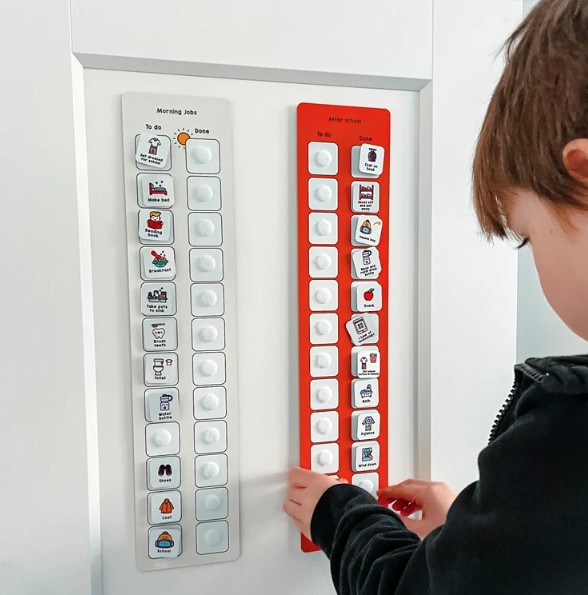
Effective adhd support for children involves a combination of school based strategies and consistent home routines. We provide resources to help you manage daily transitions and advocate for your child’s needs during the school day. From movement breaks to visual schedules, there are many ways to help a child with ADHD succeed. In Northamptonshire, we also help families understand local pathways for assessment and how to work with schools to implement reasonable adjustments.
Dyspraxia Help for Parents
Dyspraxia, or Developmental Coordination Disorder (DCD), affects physical coordination and motor planning. It can make everyday tasks like tying shoelaces, using cutlery, or writing feel frustratingly difficult. It can also affect a child’s sense of direction and their ability to organise their belongings. Children with dyspraxia are often described as “clumsy,” but this is simply a result of the brain taking longer to process the instructions needed to move the body.
If you are looking for dyspraxia help for parents, we focus on activities that build motor skills and confidence. Small changes can make a massive difference in a child’s independence. This might include using specialised stationery, choosing clothes with velcro instead of buttons, or working with occupational therapists. Our goal is to help your child navigate the physical world with less frustration.
Dyslexia Support in Schools
Dyslexia primarily affects the way the brain processes written and spoken language. It often manifests as difficulties with reading, spelling, and writing, but it can also impact short term memory. It is important to remember that dyslexia has nothing to do with intelligence; the challenge is often that the school environment is heavily focused on reading and writing, which can make a dyslexic child feel less capable than they are.
Securing effective dyslexia support in schools is essential. This often includes using multi sensory learning techniques where children use sight, sound, and touch to learn. We help parents work with SENCos to ensure children receive appropriate interventions, such as extra time during exams, the use of coloured overlays, or access to assistive technology.
Cognition and Learning Support
Some children face broader challenges with learning that are not limited to reading or writing. Cognition and learning support covers a wide range of needs, from moderate learning difficulties to specific gaps in understanding concepts like time or numbers. Every child learns at a different pace, and some require more repetition and smaller steps to master new skills. We help families identify exactly where a child is struggling so schools can adapt their teaching methods.
Communication and Interaction Needs
This category covers everything from speech delays to difficulties understanding social nuances. Communication and interaction needs are often the “hidden” hurdles in a child’s education. A child might read fluently but struggle to understand the intent behind a conversation. We guide families toward speech and language therapy (SLT) resources and social skills groups across the county to help children find their voice.
SEMH Support Services
A child’s mental health is the foundation of their ability to learn. SEMH support services (Social, Emotional, and Mental Health) are for children who find it difficult to manage their emotions or build relationships. Social emotional mental health needs can show up as anxiety, withdrawal, or physical outbursts. Our guidance focuses on trauma informed care and emotional regulation, helping parents and schools look beyond the behaviour to find the underlying emotional need
Why Choose Northants SEND Family Guidance?
We are a dedicated local resource for families in Northamptonshire. We understand the local school systems, healthcare pathways, and community groups that make a real difference. Whether you are at the beginning of your journey or looking for specific advice on an Education, Health and Care Plan (EHCP), we are here to support you. Our information is designed to be clear and easy to read so you can focus on what matters most: your child’s happiness and growth.