Navigating the education system when your child has special educational needs (SEN) can feel like learning a new language. In England, the framework designed to help is known as SEND (Special Educational Needs and Disabilities). For children and young people with ADHD and autism, this support is vital to ensuring they can access learning and feel comfortable in their environment.
Whether your child attends mainstream schools or specialist settings, the goal of SEND support is to identify barriers to learning and put the right extra support in place. This process is governed by a national code of practice, which ensures that every local authority and school follows the same rules to protect the rights of the young person.
The Role of the School SENCo
Every school in England must have a special educational needs co ordinator, commonly known as a school senco. The ordinator senco is a teacher who is responsible for managing the support for pupils with educational needs and disabilities.
If you believe your child needs additional support, the SENCo is your primary point of contact. They work with class teachers to identify if a child has a learning difficulty or disability. They also create a plan to support your child using the “Assess, Plan, Do, Review” cycle and liaise with external professionals, like speech therapists or educational psychologists.
Support in Mainstream Schools
Most children with ADHD and autism are educated in mainstream schools. Under the code of practice, schools are required to make “reasonable adjustments” to help. This is often referred to as special educational needs sen support.
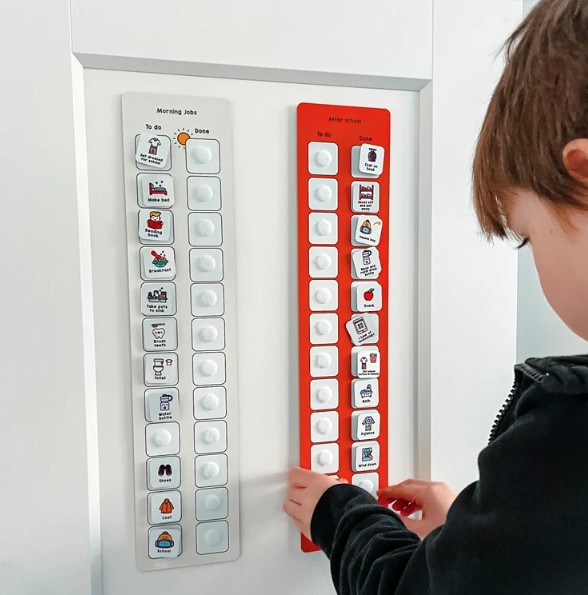
For a child with autism, this might include using visual timetables to reduce anxiety, providing a “quiet zone” for when they feel overwhelmed, or running small groups to develop social skills and communication. For a child with ADHD, extra support might involve allowing movement breaks during long lessons, using “now and next” boards to help with focus, or providing a workstation away from distractions.
Education Health and Care (EHC) Needs Assessments
Sometimes, the support a school provides from its own budget is not enough. If a child or young person has complex needs that require more intensive help, the local authority may carry out an assessment for an education health and care needs assessment.
An education health and care plan (often called an EHCP) is a legal document. It describes the child’s needs and the specific help they must receive. Unlike basic SEN support, an EHCP stays with the young person until they are 25, as long as they remain in education or training.
Benefits of a Special Educational Health and Care Plan
A special educational health and care plan provides several layers of protection. First, the school is legally required to provide the support listed in the plan. It often brings in extra funding to pay for specialised equipment or 1:1 support. It also gives parents more say in which school their child attends, including specialist schools in england. Finally, the plan ensures that as a child moves from primary to secondary school, their support travels with them.

Addressing Learning and Social Challenges
Children with neurodivergent profiles often face a specific learning difficulty that is not always about academic ability. It might be about “executive function” (planning and organising) or sensory processing.
social skills are a major focus for many children and young people on the autism spectrum. SEND support helps by providing structured opportunities to practise interaction in a safe way. This prevents the child from feeling isolated and helps them build meaningful friendships with their peers. For those with ADHD, the additional support often focuses on emotional regulation. Helping a child understand their brain and why they feel impulsive can prevent the cycle of “behavioural” labels and instead focus on the underlying special educational needs.
The Path to Independent Living
As a young person grows older, the focus of SEND support shifts toward preparation for adulthood. This includes thinking about employment, independent living, and participation in society. An education health and care plan is particularly helpful during this transition, as it requires the local authority to plan for the future starting from Year 9.
Whether the goal is university, an apprenticeship, or supported living, the additional support provided through the SEND system is designed to build confidence. It ensures that children and young people are not just supported through their exams, but are also given the life skills they need to navigate the world as adults.
The Importance of Early Intervention
Identifying a learning difficulty early can change the entire trajectory of a child’s education. When a school senco identifies needs in the early years or primary school, it allows for interventions that prevent the child from falling behind their peers. This early extra support often focuses on speech, language, and foundational literacy. By addressing these educational needs and disabilities before the child reaches secondary school, the local authority and the school can create a more stable environment for the young person.
Understanding the Local Offer
Every local authority is required to publish a “Local Offer.” This is a central hub of information that lists all the services available to children and young people with disabilities send in that specific area. It includes information on everything from leisure activities and support groups to health services and post 16 education options. Checking your area’s Local Offer is a great way to find additional support that exists outside of the school gates, such as holiday clubs designed for autistic children or parent workshops on managing ADHD at home.

Collaboration Between Home and School
The most successful outcomes for children with educational needs and disabilities happen when parents and schools work as partners. Regular meetings with the school senco allow you to track progress and adjust the extra support as your child’s needs change. It is important to remember that you are the expert on your child, and your input is a vital part of the code of practice framework.
If you feel that the school is not meeting your child’s needs, you have the right to request a formal review. You can also contact the local authority SEND Information, Advice and Support Service (SENDIASS) for impartial help. They can assist you in understanding the legalities of the special educational health and care plan and ensure your voice is heard during meetings.
Advocating for Your Child’s Rights
Sometimes, the process of securing an education health and care plan can feel like an uphill battle. It is important to know that the code of practice gives you specific legal rights. If a local authority refuses to carry out an assessment, or if you disagree with the contents of a special educational health and care plan, there is a mediation and appeal process available. You are not just a passive participant in this system; you are an advocate for your child’s future. Ensuring that the ordinator senco and the teaching staff are fully aware of your child’s specific special educational needs sen is the best way to ensure they are supported effectively.
Moving Forward with Confidence
The journey through the SEND system can be long, but the aim is always to empower the young person. By working closely with the school senco and understanding the code of practice, you can ensure your child receives the extra support they are entitled to.
Every child with disabilities sendhas the right to an education that looks at them as an individual. Whether it is through minor classroom tweaks or a full special educational health and care plan, the system is there to ensure that ADHD and autism are not barriers to success, but simply different ways of experiencing the world. Through clear communication with your local authorityand the ordinator senco, you can build a framework that helps your child thrive.